
An orthopedic dog bed is the one pet purchase where the price difference actually buys something measurable. Ordinary beds are stuffing in a cover — soft for a month, then flat. An orthopedic bed uses solid foam engineered to hold its shape under weight, so the dog’s hips and elbows stay off the floor instead of sinking through to it.
If your dog is over seven, over 50 pounds, or takes a moment to get going after a nap, this is the category that matters. Here is how to tell a real one from a marketing label.
A genuine orthopedic dog bed uses a single solid slab of high-density foam, not shredded filling. Solid foam distributes body weight evenly across the whole surface, so pressure does not concentrate at the hips, elbows and shoulders where a heavy dog makes contact. Shredded foam feels identical in the shop and compresses into lumps within weeks.
Four inches of solid foam is the working minimum for a medium dog, and large and giant breeds want five to seven. The test is simple: press down hard with your palm. If you reach the floor through the foam, so will your dog’s hip joint every night. Thickness without density fails the same test.
Standard memory foam traps heat, which matters because dogs shed heat through contact surfaces. Gel-infused memory foam draws that warmth away, so the bed stays cooler across a long sleep. For thick-coated breeds, flat-faced breeds, and any dog in a warm room, the gel layer is the difference between a bed used all year and one abandoned every summer.
Senior dogs, large and giant breeds, dogs recovering from surgery, and any dog that hesitates before standing or struggles on hard floors. Breeds prone to joint problems — German Shepherds, Labradors, Retrievers, Great Danes, Bernese Mountain Dogs — benefit from support well before symptoms appear. Persistent stiffness or limping is a vet conversation, not a bedding one.
Supportive bedding will not treat arthritis, but it changes the surface an affected dog spends half its life on. Even weight distribution reduces pressure on inflamed joints, and a firm base makes standing up easier than sinking into a soft bed and having to push out of it. Treatment itself belongs with your vet — the Cornell Riney Canine Health Center is a reliable starting point for canine joint health.
Measure your dog lying fully stretched out, nose to tail, then add six inches. Most returns happen because the buyer measured a curled-up dog. Sizing matters more here than on any other bed type: a joint hanging off the edge onto hard floor cancels the entire benefit you paid for.
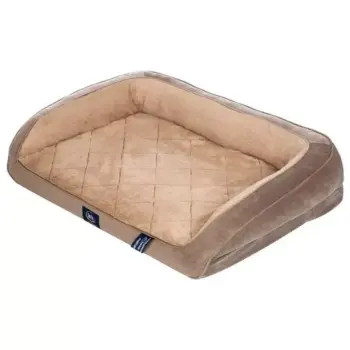
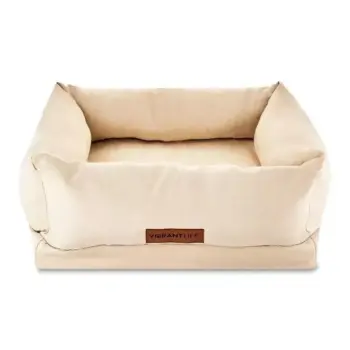
Bolsters give a head rest and a sense of enclosure, and most dogs prefer them. A flat mattress suits dogs that sprawl, sleep on their side with legs extended, or have mobility problems that make climbing over a raised edge difficult. For an arthritic dog, easy entry beats the pillow.
The foam core outlasts the cover by years, so a zip-off washable cover is the difference between a five-year bed and an eighteen-month one. Check the cover actually removes before buying — plenty of listings say washable and mean the whole unit, which destroys the foam on the first hot cycle.

From beds and furniture:
For softer everyday options see washable pet sofa beds, or browse all pet supplies.

A bed built around a solid slab of high-density or memory foam that supports the dog’s weight evenly rather than letting it sink to the floor. The defining feature is the foam core, not the shape or the label — a plush bed stuffed with loose filling is not orthopedic however it is marketed.
For senior dogs, heavy breeds and dogs with joint issues, clearly yes — the support is the product. For a healthy young 15-pound dog, the benefit is smaller and a good standard bed is fine. The value tracks weight and age more than anything else.
Solid orthopedic foam, at least four inches thick, with a low or open entry side so an older dog does not have to climb. Add a washable cover, since accidents become more common with age. Avoid deep plush beds — they feel luxurious but make standing up harder.
Three to five years for a quality foam core, considerably longer than the one to two years typical of stuffed beds. The foam fails by losing rebound rather than visibly flattening: press it and count how long it takes to spring back. When it stops recovering, it has stopped supporting.

If you have any questions, here are some useful links:




Leave a comment