
A small dog bed is not just a shrunken large one. Small breeds lose body heat far faster than big dogs, burrow more, and are more likely to be sharing the room with people who have opinions about how the bed looks. The requirements are genuinely different.
Get the warmth and the enclosure right and a small dog will use the bed all day. Get them wrong and it sleeps in the laundry basket.
Roughly 24 by 18 inches suits dogs under 25 pounds — Chihuahuas, Yorkies, Dachshunds, Pomeranians, Shih Tzus, small terriers. Measure the dog stretched out and add six inches, then check that measurement against the internal sleeping area rather than the outside dimensions, since bolsters eat several inches per side.
Small bodies have a high surface area relative to volume, so they radiate heat much faster than large dogs. That is the reason toy breeds shiver in rooms that feel fine to everyone else, and why they burrow under blankets rather than lying on top of them. A small dog bed should trap warmth, not ventilate it.
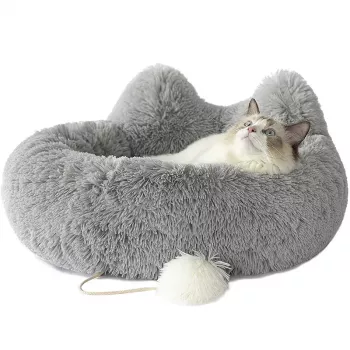
Many do. Burrowing is strong in terriers, Dachshunds and most toy breeds — it is both a warmth strategy and a security one. A covered, hooded or cave-style bed suits those dogs far better than an open cushion. If your dog currently sleeps under a blanket or wedged behind a cushion, buy enclosed.
Something washable, moderately sized, and cheap enough to replace. Puppies have accidents and chew, and they outgrow a correctly fitted bed within months. Buying an expensive bed sized for the adult dog leaves a puppy adrift in too much space, which defeats the security a bed is meant to give.
Use a flat mat cut or sized to the crate floor rather than a bolstered bed. Bolsters waste crate space that is already tight, and a raised edge makes it harder for a small dog to settle against the crate wall, which is what most of them actually want to do.
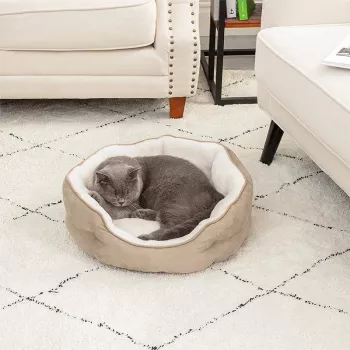
A non-slip base, since light dogs slide the bed across hard floors every time they jump in. A removable washable cover, because small dogs and accidents go together. Enough depth of filling that the dog is not resting on the floor through it. And a shape matching how your dog sleeps — curled, sprawled or burrowed.

From beds and furniture and mats and houses:
See also the complete dog bed buying guide and washable dog beds.

About 20 to 24 inches long internally is enough for most Chihuahuas, but favour warmth and enclosure over size. Toy breeds prefer a snug bed they can press against on all sides, and an oversized bed leaves them exposed, which is why they burrow into cushions instead.
In cold homes, slightly — floor level is the coldest part of any room and small dogs feel it. A bed with a thick base achieves the same thing as an elevated frame without the climbing. In warm weather the opposite applies and floor contact helps.
Every one to two weeks. Small dogs spend more hours on their bed than large dogs do and sit closer to the fabric, so it loads with hair and oils faster than its size suggests. Wash cool and air dry to protect the filling.
Physically yes, practically not well. Small dogs seek contact with edges for security and warmth, and a large open bed gives them neither. Most end up sleeping pressed into one corner of it — which is a clear signal the bed is the wrong size.

If you have any questions, here are some useful links:



Leave a comment